
• More

More Menu

DVC Resort Expiration

Posted On December 18, 2025
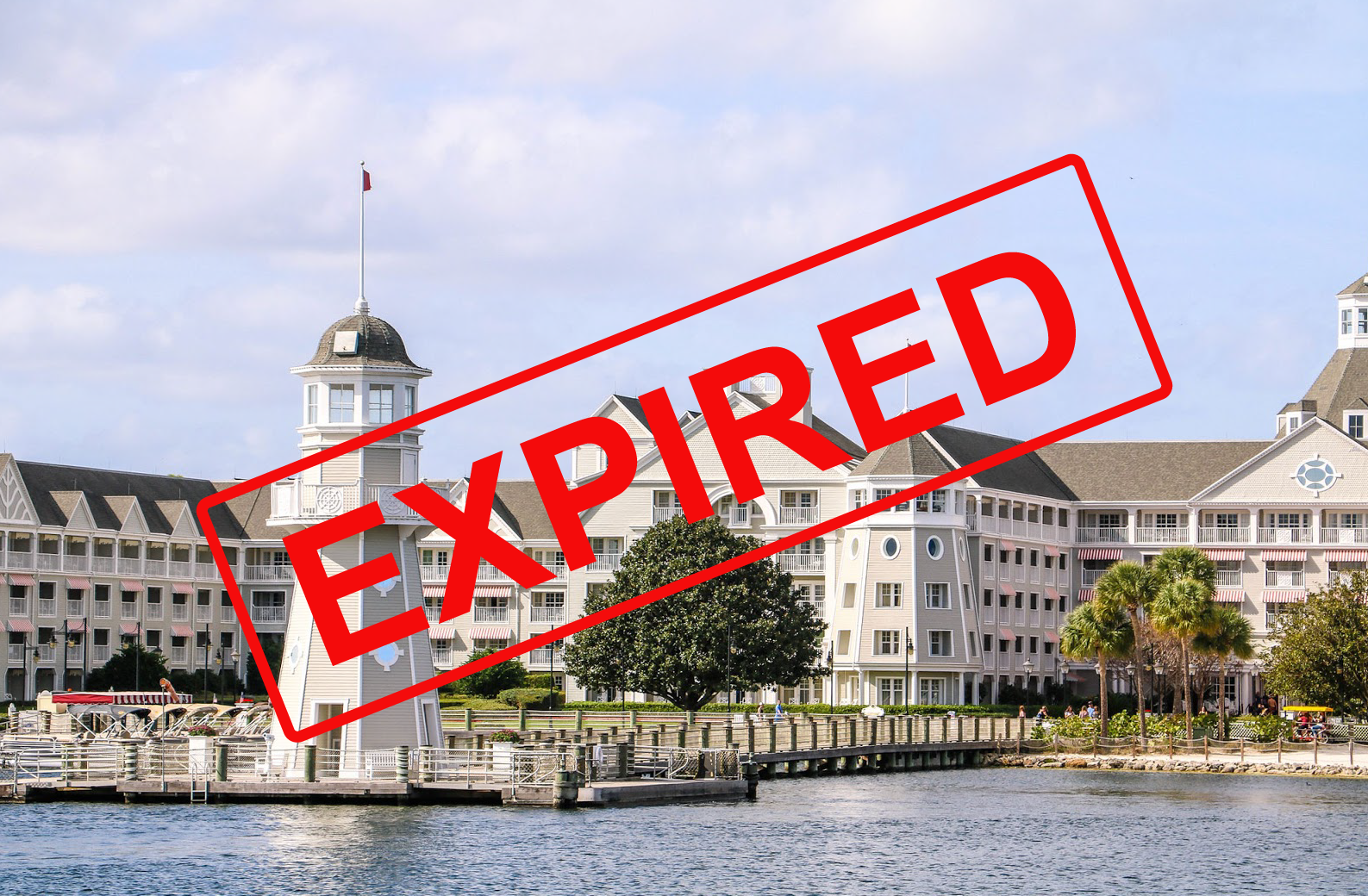
DVC Resort Expiration
Every Disney Vacation Club resort has a specific expiration date when the ownership interest terminates and reverts to Disney. Understanding resort expiration dates helps buyers evaluate contracts properly and make informed decisions about purchase value based on remaining ownership years.

Why DVC Contracts Expire

DVC ownership represents a right to use deeded real estate for a specific term rather than perpetual ownership. Disney structures DVC as leasehold interests tied to underlying real property. When leases expire, the ownership interest terminates regardless of how many points remain unused or how much owners originally paid.

This structure differs from traditional real estate ownership where property can be held indefinitely. DVC buyers should understand they're purchasing vacation access for specific time periods, not permanent assets they can pass to endless future generations.

DVC Resort Expiration Dates

Each DVC resort has its own expiration date based on when it was established. Older resorts expire sooner than newer ones. Old Key West was the first DVC resort and expires in 2042 (with an optional 15-year extension to 2057 for some owners). Saratoga Springs and Bay Lake Tower expire in 2054. Beach Club and Boardwalk expire in 2042.

Newer resorts have later expiration dates. Polynesian Villas expires in 2066. Riviera Resort expires in 2070. Copper Creek Villas expires in 2068. These extended terms provide more remaining ownership years for current purchasers.

How Expiration Affects Value

Remaining years until expiration directly impacts contract value. A contract at Old Key West with 17 remaining years provides less long-term vacation capacity than a Riviera contract with 45+ remaining years. This difference should be reflected in purchase prices and buyer considerations.

Resale prices at older resorts tend to be lower partly because of shorter remaining ownership terms. While annual vacation value may be similar, total lifetime value differs significantly based on how many years you can use the membership.

Calculating Value Per Year

Some buyers evaluate DVC purchases by calculating cost per remaining year. A 150-point contract at 00 per point (5,000) with 17 years remaining costs approximately 82 per year. The same points at a newer resort with 45 years remaining at 50 per point (2,500) costs approximately 00 per year. This analysis may favor longer-term contracts despite higher per-point prices.

However, this calculation assumes you'll actually own and use the contract through expiration. Buyers planning shorter ownership periods may prioritize current per-point costs over long-term calculations.

What Happens at Expiration

When DVC contracts expire, the ownership interest simply ends. No buyout payment, no deed transfer, no refund of original purchase price occurs. The underlying property remains Disney's, and the vacation rights associated with your points cease to exist. Annual dues also end since you no longer own anything requiring maintenance.

Points from expiring contracts cannot be transferred to other DVC properties. If you own 200 points at Beach Club expiring in 2042 and want to continue DVC membership afterward, you would need to purchase a new contract at a resort with a later expiration.

Expiration and Resale Value

As expiration approaches, resale values typically decline. Contracts with only 10-15 years remaining appeal to smaller buyer pools seeking short-term DVC access rather than long-term vacation planning. This reduced demand depresses prices, making near-expiration contracts difficult to sell at meaningful values.

Buyers concerned about eventual resale potential should consider expiration dates in their purchase decisions. Contracts at newer resorts maintain better long-term resale positioning than those approaching expiration.

Planning for Expiration

Buyers should factor expiration into ownership planning. Calculate whether you'll use the membership long enough to justify purchase costs. Consider your likely vacation patterns, family circumstances, and ownership timeline when evaluating contracts at resorts with different expiration dates.

Some families purposely choose contracts at older resorts expecting their DVC usage to conclude around expiration anyway. Others prefer newer resorts providing flexibility to adjust plans as circumstances change over decades.

Expiration vs. Annual Dues

Interestingly, older resorts with closer expiration dates often have lower annual dues than newer resorts. This creates trade-offs between lower ongoing costs and shorter remaining terms. Evaluate total expected ownership cost including both purchase price and cumulative dues when comparing resorts with different characteristics.

Questions About Expiration

DVC Sales provides detailed information about resort expiration dates and helps buyers evaluate how expiration affects specific contract values. Understanding these factors ensures you make informed decisions aligned with your vacation planning timeline. Contact us to discuss how expiration considerations apply to contracts you're evaluating.